The Future of Hotel Operations: Balancing Technology, Efficiency and the Human Touch
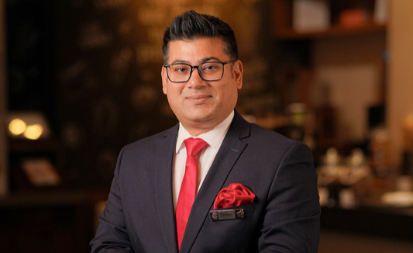
By Ramandeep Singh, Hotel Manager, Hilton Garden Inn Bengaluru Embassy TechVillageOuter Ring Road It is 11:40 on a Tuesday night when a guest reaches our lobby, hours behind schedule after a delayed flight and a slow
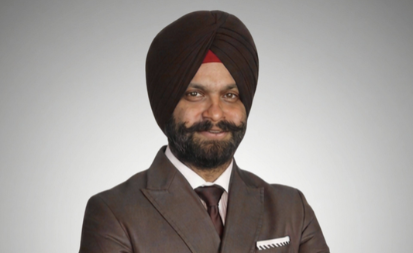
By Ramandeep Singh, Hotel Manager, Hilton Garden Inn Bengaluru Embassy TechVillageOuter Ring Road
It is 11:40 on a Tuesday night when a guest reaches our lobby, hours behind schedule after a delayed flight and a slow crawl along Outer Ring Road. His room key is already on his phone. He has no need to speak to anyone, and tonight he would rather not. Yet an associate steps out from behind the desk, offers him a bottle of water and says, “Long day. The kitchen can still send up dinner if you’d like.”
Of everything that happened on his journey, that is the moment he will remember.
To me, the future of hotel operations is not about replacing hospitality with automation. It is about using technology to give our people back the time to be hospitable.
I have spent my career in luxury and upper-upscale hotels, and the best service I have seen never came from a system. It came from a person who had the time and presence of mind to notice something. That is how I see AI, mobile check-ins and automated workflows. They are
not substitutes for warmth. They are the engine that keeps the operation running quietly, so my team can focus on the guest in front of them.
At Hilton Garden Inn Bengaluru Embassy TechVillage Outer Ring Road, we see this balance every day. Many of our guests are business travellers who arrive late, leave early and live by their calendars. They expect speed, and they should get it. A digital key, a quick check-in, a maintenance request fixed before the guest even notices: these are the basics now.
To me, efficiency simply means removing friction. When technology handles the routine work, from room keys to back-of-house maintenance tracking, the administrative noise disappears for our front-line staff. An associate who is not buried in screens can step out from behind the desk, read a tired face, suggest a good dinner spot nearby or handle a problem with real empathy instead of a script.
No two guests walk through our doors with the same expectations. Standards give us consistency, but true hospitality is personal, and it usually happens in the unscripted moments.
Being in hospitality is something I consider a true privilege. Every guest arrives with a story of their own, and each day gives our team a fresh opportunity to curate a meaningful experience. When we lead with heart, our actions touch lives in ways that go far beyond a transaction. We hoteliers are truly blessed to do what we do.
I think of a housekeeper who notices that a guest always asks for extra pillows, or has left a favourite book by the bed, and quietly sets up the room so it feels a little more like home. I think
of a chef who hears that a guest has been on the road for weeks and steps out of the kitchen to cook a simple comfort meal, made the way their mother or nonna would make it. No software suggested those gestures. People did, because they had the space to care.
Sometimes that care takes us well beyond the building. One of my fondest memories in hospitality is walking through standstill traffic in torrential Gurgaon rain to escort a stranded guest safely to our hotel. That simple act of showing up turned a routine stay into a lasting bond. She is no longer just a guest to me, but someone I proudly call a friend.
The guest in our lobby that night will not remember the app. He will remember who spoke to him. Guests talk about the moment they felt truly seen. That genuine human connection is the soul of hospitality, and I don’t believe any technology will change it.
So I see technology as an invisible foundation. It should take care of the precise work behind the scenes, like scheduling, inventory, maintenance and guest preferences, so nothing important slips through. Then it should get out of the way.
My job is to make sure our tools serve our people, not the other way round. When we get that balance right, our teams are free to create personal, story-worthy moments. Those moments, far more than any feature, are what build lifelong loyalty to a hotel and a brand.